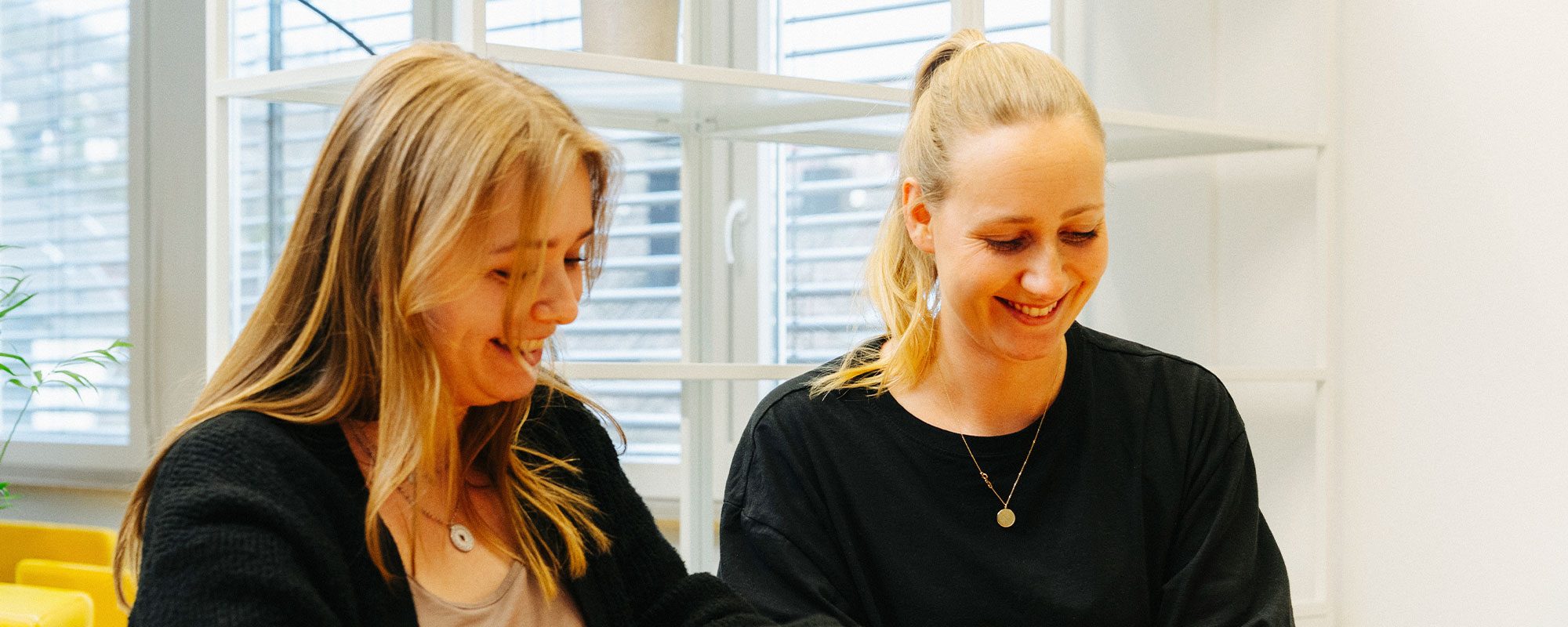
Two participants of a Carenetic training session in conversation

We share knowledge.
For quality of life.

Most family carers do not know what they need to know. Which risk factors specifically endanger the patient? Which aid is truly suitable and where are its limits? What should you do if you have physical limitations yourself? We work through this together. Our qualified nursing staff come to your home and look at the real situation: physical condition, living environment, care routines. Then we advise in depth – not with brochures.

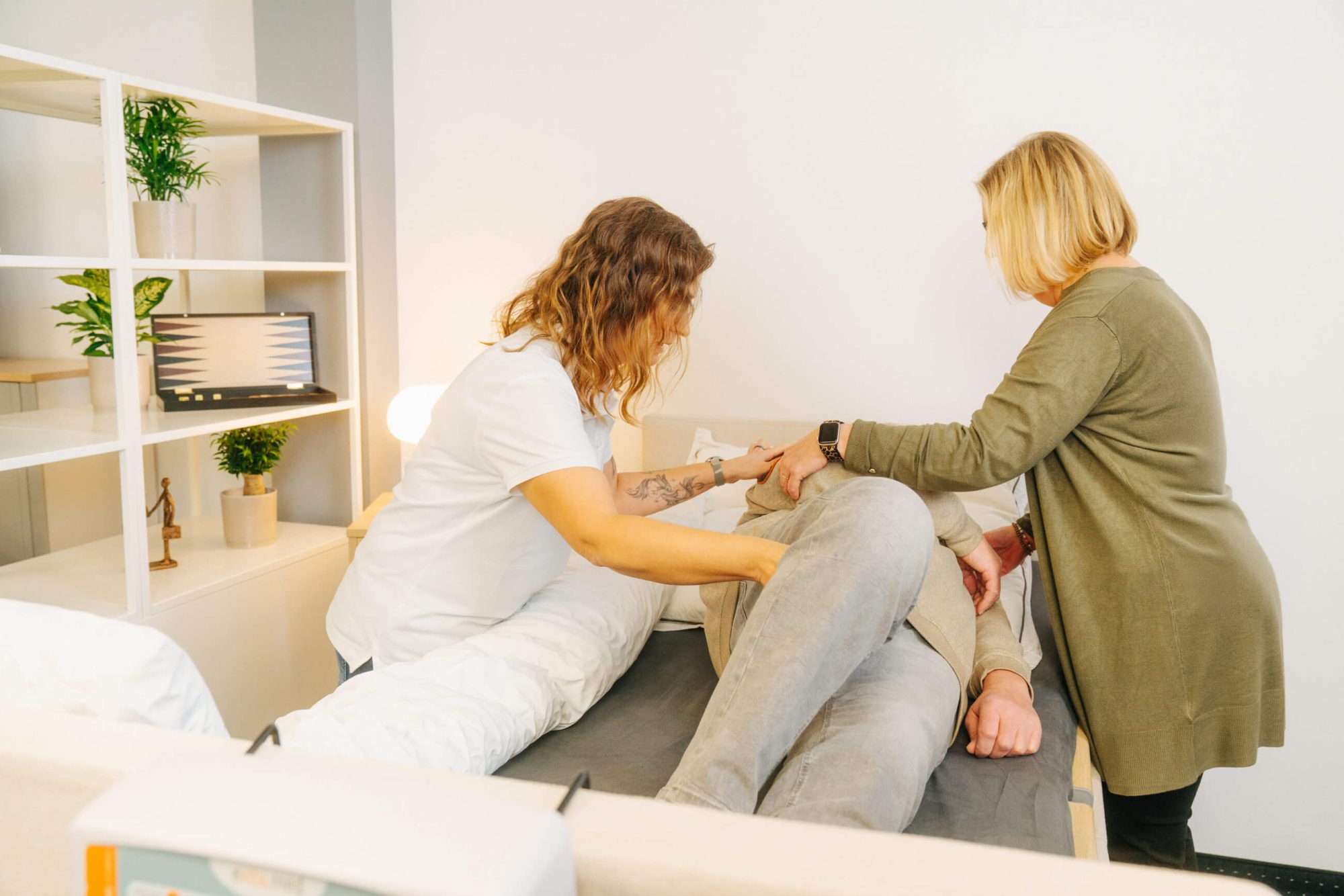
Carenetic employee showing a relative a gentle positioning technique at the care bed

We offer advice and information on the following topics:

  • Causes, interrelations and factors influencing the development of pressure ulcers 
  • Explanation of the patient’s specific risk situation
  • Explanation of the recommended anti-decubitus aids, their functional properties, performance limits and possible side effects in the individual patient situation
  • Recommendation of the need for additional pressure ulcer prevention aids identified in the specific care situation
  • Information for the patient and family carers about aftercare services following delivery of the aids

How we advise

We explain how pressure ulcers develop and the specific risks for your relative. We show which aids make sense and where their limits lie. We recommend additional measures when needed. And we inform you about what comes after delivery: aftercare, adjustment, support.

Beyond consultation, we provide training. How do you position your relative to relieve pressure – in bed and elsewhere? How do you transfer them gently on the skin into the wheelchair? How do you maintain their ability to move? If you cannot manage this on your own, bring in people you trust – relatives, friends, neighbours. We train everyone who wants to take part.

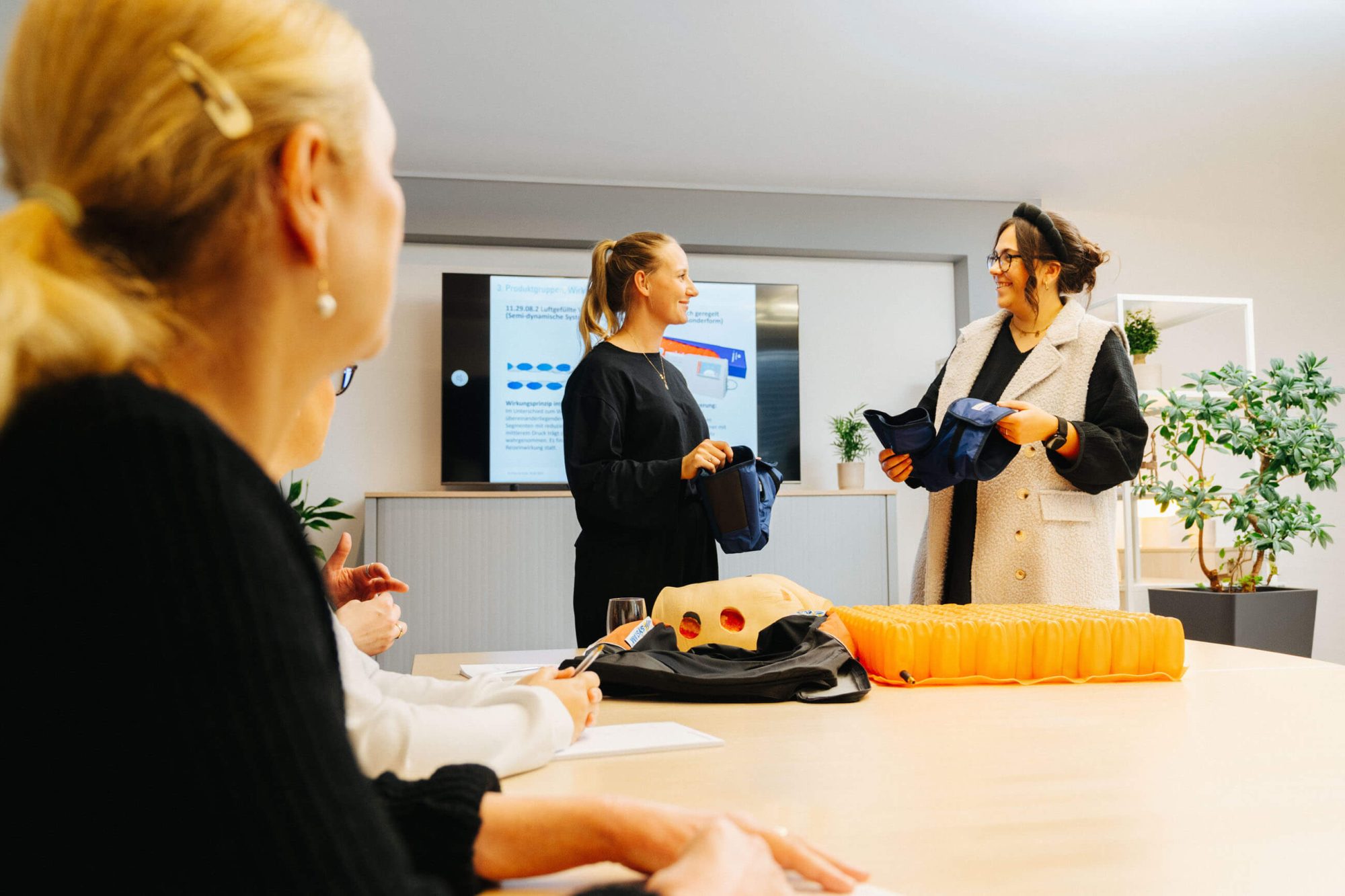
Carenetic employees presenting anti-decubitus seat cushions and alternating pressure overlays during a training session

How we train

Content and duration depend on individual needs. We share knowledge and show how it works in practice:

  • Pressure-relieving positioning measures in and out of bed
  • Skin-friendly techniques for patient transfer
  • Correct use of mobility and transfer aids
  • Health-promoting behaviour (e.g. back-friendly positioning techniques)

“We practise with you until every move is second nature.”

Get in touch

We convey Professional expertise,
Confidence to act,
Practical skills.